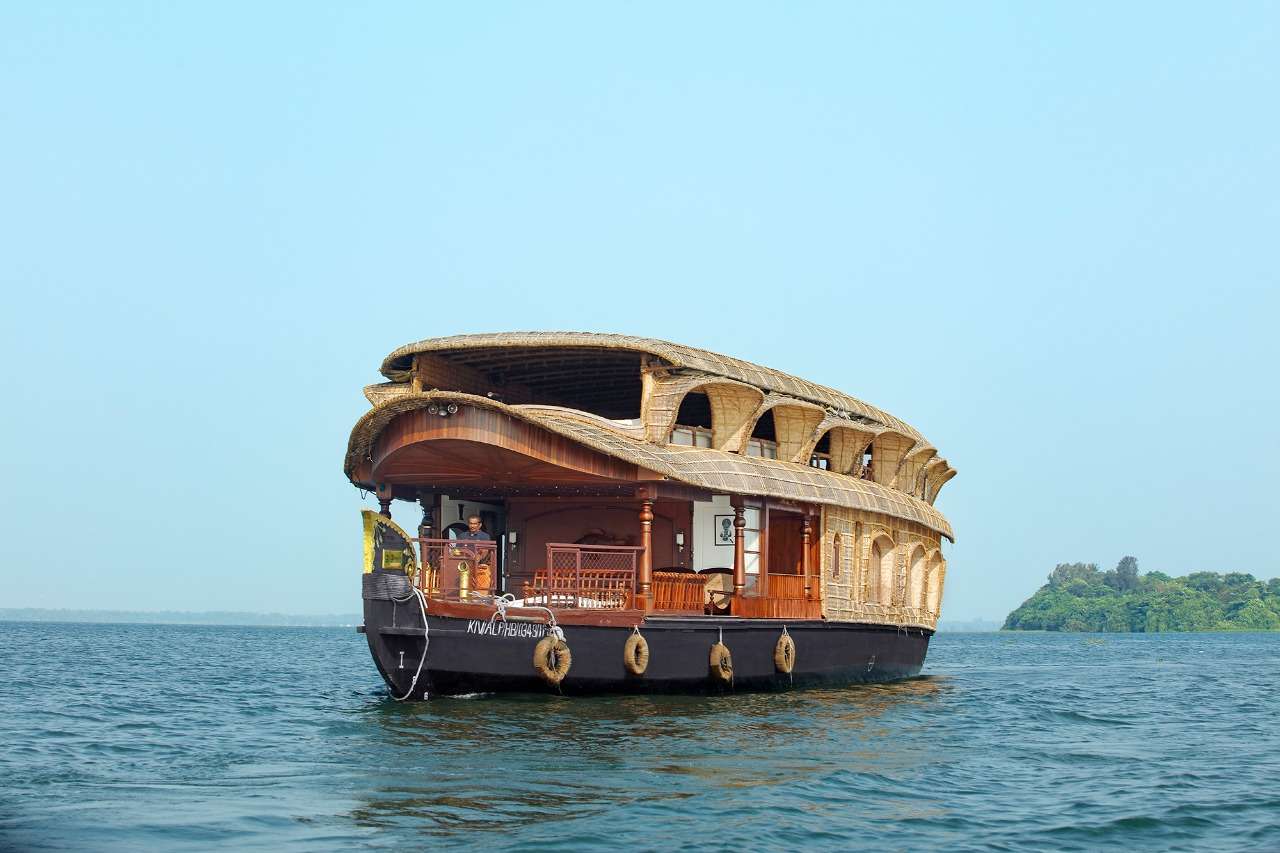
History of Kerala Houseboats: From Kettuvallam to Luxury Cruises
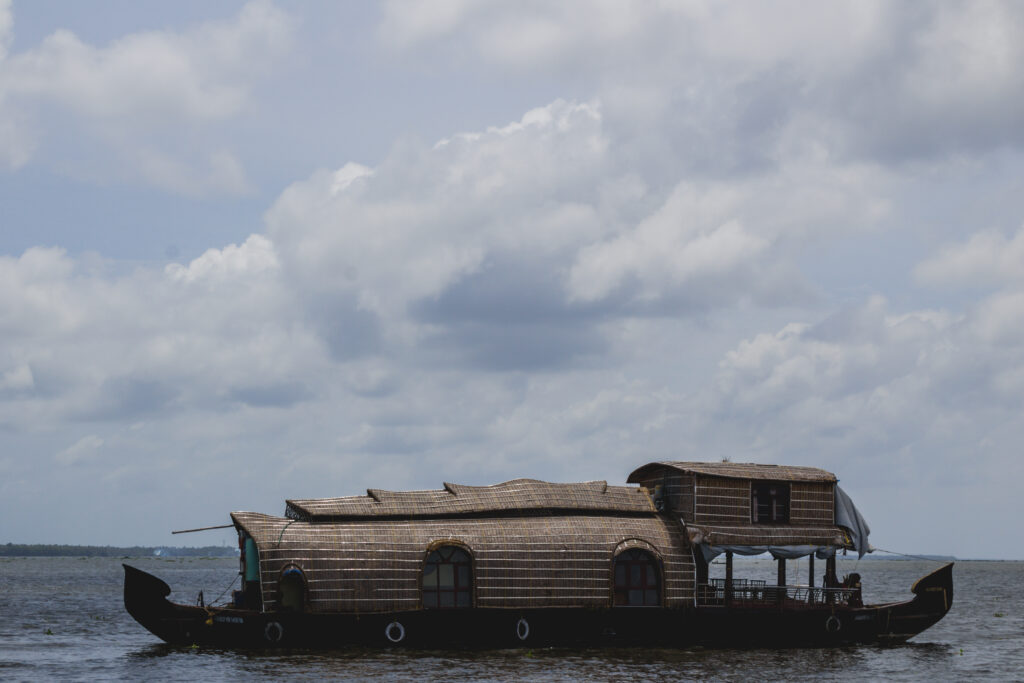
History of Kerala Houseboats: From Kettuvallam to Luxury Cruises
Kerala, often referred to as God’s Own Country, is renowned across the world for its tranquil backwaters and traditional houseboats. These floating homes, which glide over serene lakes and canals adorned with palm trees, are more than simply a tourist destination; they are a living representation of Kerala’s past and culture. The journey of Kerala houseboats from simple cargo vessels to modern luxury cruises is a fascinating story of tradition, innovation, and sustainable tourism.
Origins of the Kettuvallam
The history of Kerala houseboats begins with the Kettuvallam, a traditional boat used centuries ago for transporting goods. Vallam means “boat,” and kettu means “to tie.” The Kettuvallam was built without nails, as implied by its name. Rather, jackfruit tree wood was used to make wooden planks, which were coated with black resin manufactured from boiled cashew nut shells and stitched together with coir ropes.
In areas like Alappuzha and Kuttanad, these boats were mostly utilized to move rice, spices, coconuts, and other agricultural goods along the extensive network of rivers and canals. Kettuvallams, which ranged in length from 60 to more than 100 feet, were sturdy, spacious, and ideal for navigating Kerala’s shallow backwaters.
Transition from Cargo to Living Spaces
The commercial use of Kettuvallams gradually decreased as Kerala’s road and rail transportation systems advanced. Many of these boats were no longer suitable for transporting goods by the middle of the 20th century. But rather than vanishing, they discovered a new mission.
Kettuvallams were transformed into floating residences by local boat builders and visionaries. The spacious cargo holds were converted into open decks, kitchens, bedrooms, and living spaces. The Kerala houseboat as we know it now began with this. Early houseboats were simple, designed mainly for overnight stays, offering visitors an authentic experience of life on the backwaters.
Rise of Tourism and Modern Houseboats
Kerala’s tourism industry experienced a sharp increase in the late 20th century. The state’s serene waterways and natural beauty attracted tourists from both India and elsewhere. Houseboats soon emerged as one of Kerala’s hottest experiences.
The comfort and style of houseboats changed to satisfy the increasing demand. Traditional aesthetics were maintained while introducing contemporary materials. For durability, steel frames were blended with wood, bamboo, and coir. Comfortable bedrooms, kitchens, electricity, and adjoining bathrooms were commonplace.
Emergence of Luxury Houseboat Cruises
Kerala houseboats have evolved into luxurious floating resorts in recent decades. Air-conditioned suites, elegant décor, private balconies, exquisite dining, and even onboard chefs and trained personnel are features of today’s luxury houseboats. Some high-end houseboats combine history and contemporary hospitality with features like glass walls, upper decks, and spa-like amenities.
Honeymooners, families, and foreign visitors looking for comfort without sacrificing the allure of Kerala’s backwaters are catered to by luxury houseboat tours. Usually, these cruises visit places like Ashtamudi Lake, Vembanad Lake, Kumarakom, and Alappuzha.
Sustainability and the Future
With increased popularity came environmental concerns. In response, Kerala introduced eco-friendly practices such as solar-powered houseboats, bio-toilets, and responsible waste management. Many operators now focus on sustainable tourism to protect the delicate backwater ecosystem.
Explore with The Boat Company
For travelers planning an unforgettable backwater experience, The Boat Company offers a curated selection of top-rated houseboat cruises in the Alappuzha region. With options ranging from classic traditional houseboats to premium luxury vessels, the site helps visitors find the perfect itinerary, amenities, and local insights to make every moment on the water truly memorable.